


Zeeland
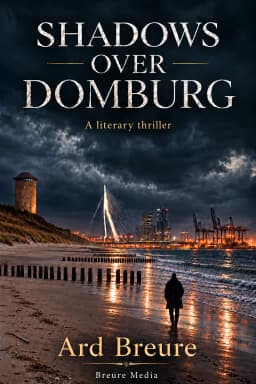
Domburg: the seaside village behind Shadows over Domburg
By Ard Breure, author of Shadows over Domburg · Last updated 21 August 2026
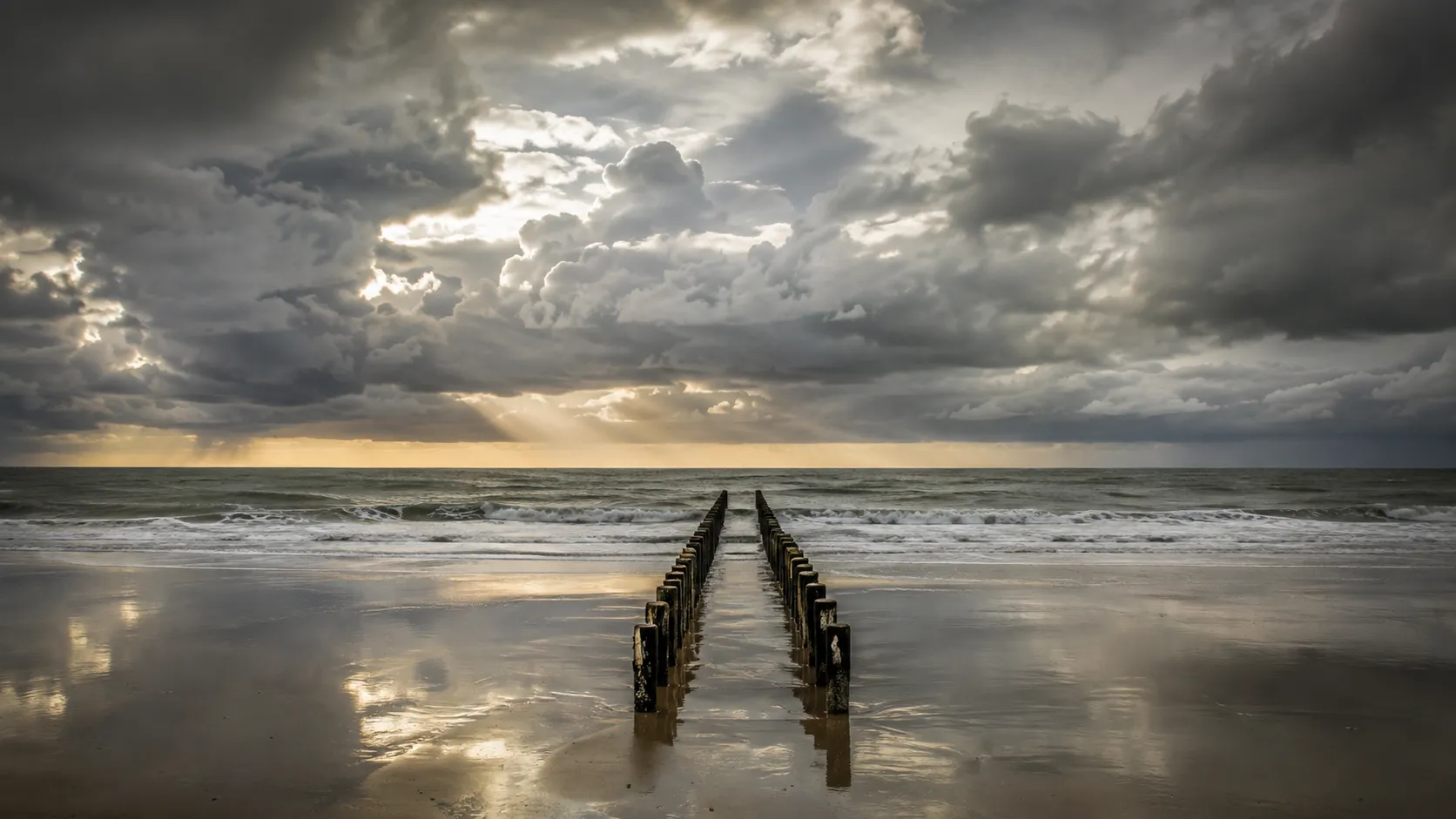
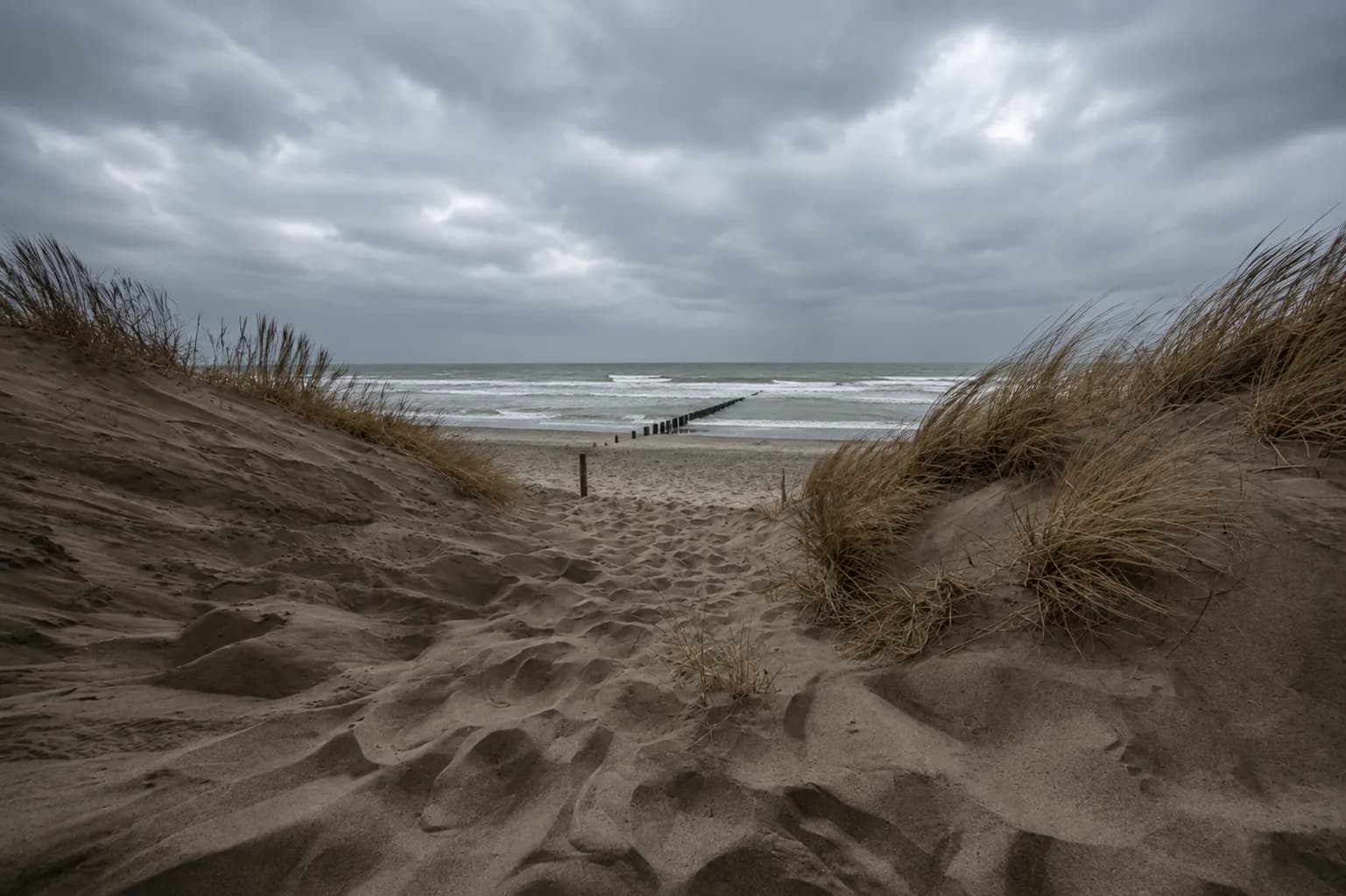
If you only know Domburg in August, you don't know it at all. In November, when the beach cabins have been taken off the sand and the wind pulls through the woods of the Manteling, it becomes a different village: quieter, barer, with the sea as the only sound. That Domburg, the Domburg out of season, is the setting of my thriller Shadows over Domburg. This is the village as I know it, and why it asked for a story.
Zeeland's oldest seaside resort
Domburg sits on the north-western tip of Walcheren, its back to the land and its face to the sea. Only Westkapelle reaches further into the North Sea. That position determines everything: the light, the wind, and the history that keeps washing ashore here. Sometimes literally. After an autumn storm in the seventeenth century, altar stones emerged on the beach, dedicated to Nehalennia, the sea goddess worshipped here in Roman times by skippers praying for a safe crossing. Every so often, the sea at Domburg gives something back. That is where my book begins.
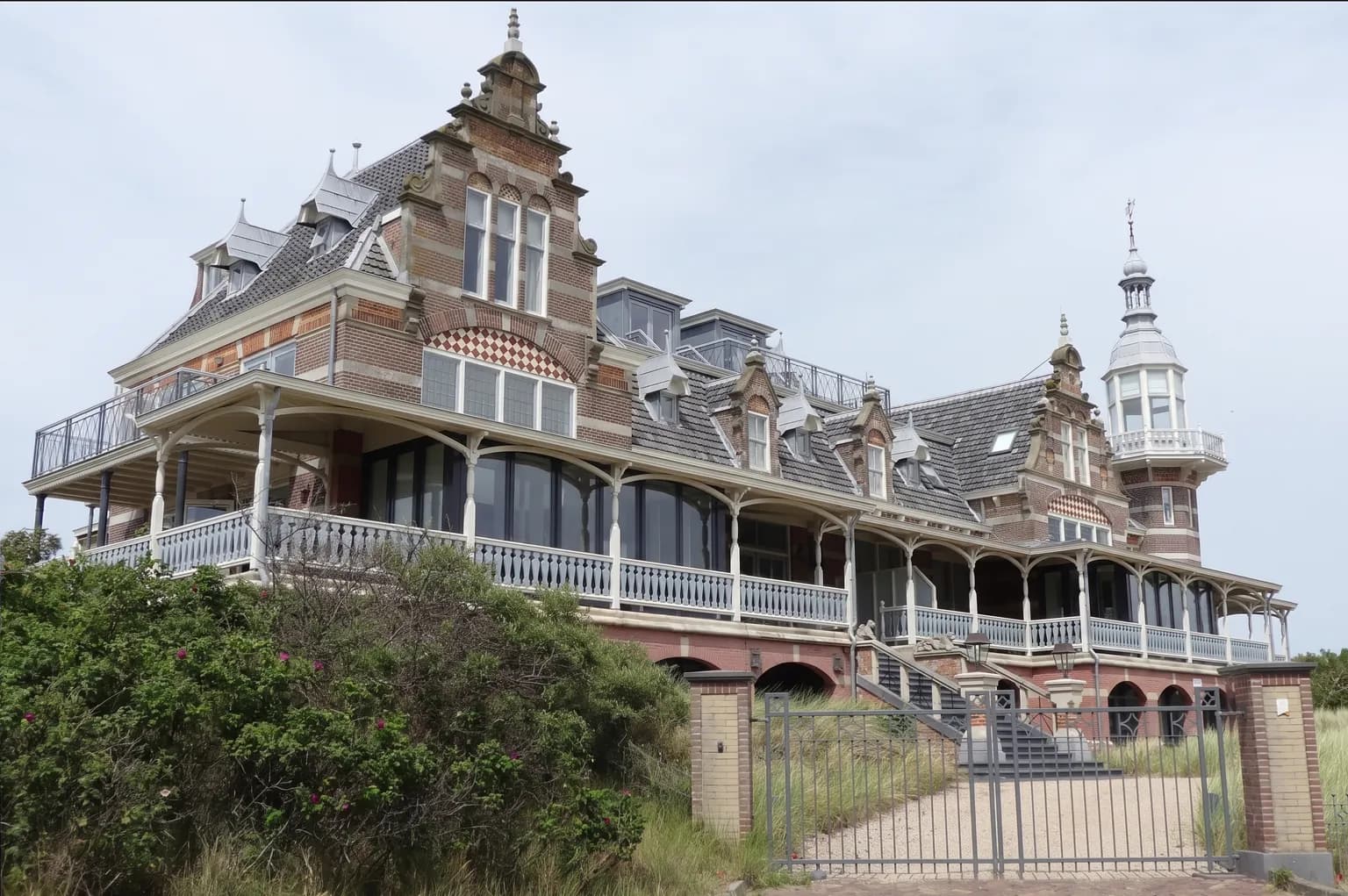
The first bathing guests arrived as early as the nineteenth century: aristocrats, families of means, health-seekers who believed in the restorative power of sea air and salt water. The Badhotel became the centre of that fashionable world, and in a sense it still is. Domburg had standing when the rest of the Zeeland coast was still fishing villages.
The light of Toorop and Mondrian
Around 1900, an artists' colony settled in Domburg around Jan Toorop. Piet Mondrian painted his dunes and his lighthouse here, on his way to the abstraction that would make him world-famous. The small Toorop Pavilion in the village still remembers them.
Artists see things a little earlier than the rest of us. What they found here, that hard, clear Zeeland light over a landscape without ornament, is exactly what a story needs. A setting that hides nothing, and for that very reason can hide everything.
The golf course with 437 scars
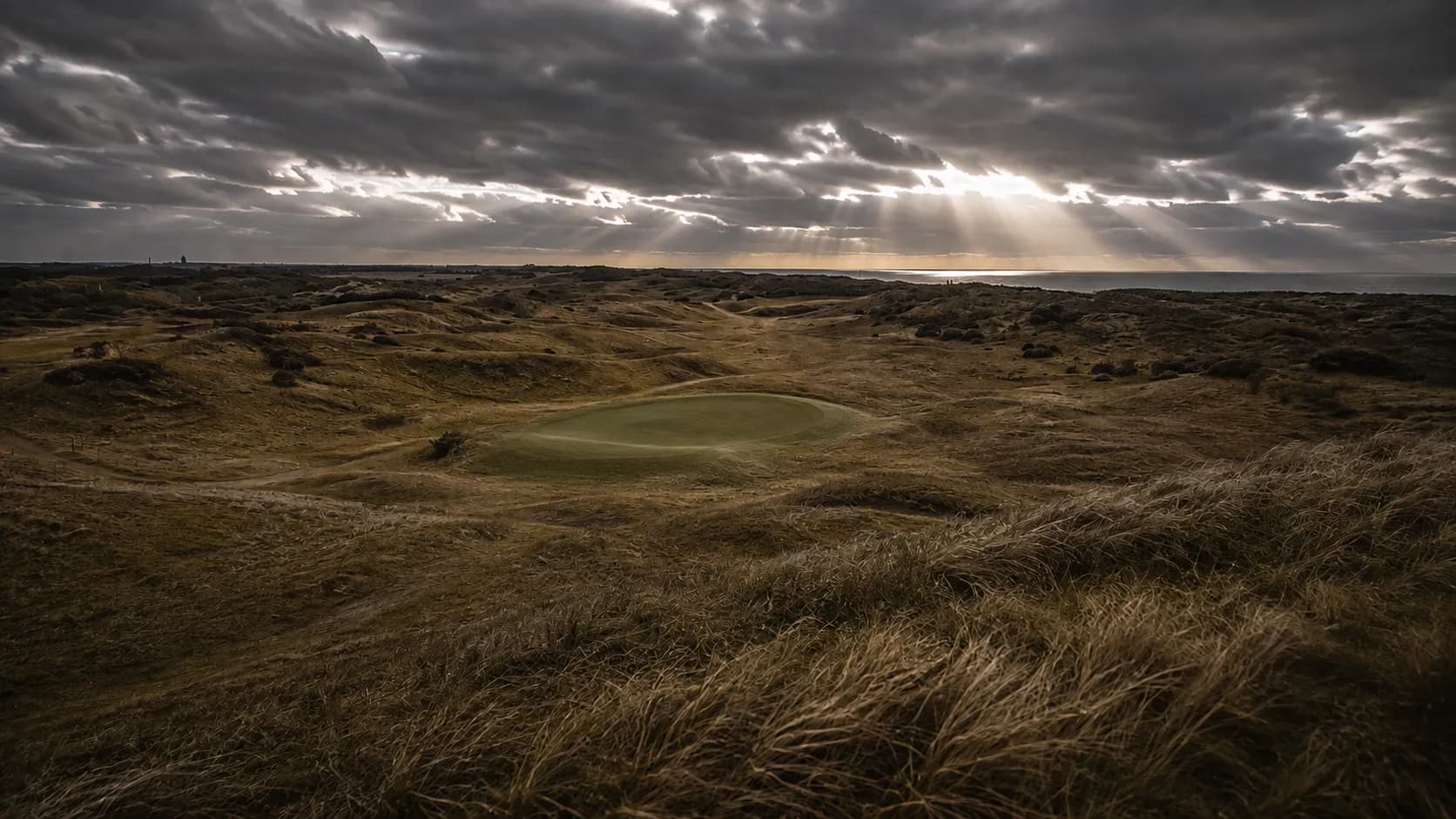
On the edge of the village, in the dunes, lies the Domburgsche Golf Club. Laid out in 1914, it is the oldest golf course in the Netherlands still played in its original form. Before the war, the caddies walked the course in traditional Walcheren dress.
Then came September 1941. The German occupiers requisitioned the grounds and covered the course with concrete bunkers and a coastal battery. Domburg became a link in the Atlantic Wall. In the run-up to the landing at Westkapelle, the Allies bombed that battery, and, with great precision, the Westkapelle sea dyke. That was tactics: through the breach in the dyke, Walcheren flooded and the German defences stood, quite literally, in the water. The island paid the price of its own liberation. The salt water stood for more than a year. Hundreds of bombs fell on the golf course. Play did not resume until 1955.
During the restoration, the club did something remarkable. The bomb craters, 437 in all, were not filled in but turned into grass bunkers, the sunken hazards every golfer knows. They are still there, and from the air the craters are plainly visible. The Germans built their concrete bunkers here. The Allied bombs blew craters. And from those craters the club made bunkers in the golfing sense of the word, so that on this course, the most innocent word in golf carries a war inside it.
That is Domburg in miniature: a friendly surface beneath which history has never quite settled. When I went looking for a place where a thriller could begin, I did not have to look far.
Wind, rain, wind, Germans
Walk through Domburg today and you will hear more German than Dutch. They come mainly from North Rhine-Westphalia, from the Ruhr. If you live in Essen or Dortmund, the Zeeland coast is closer than the German one. And they do not come for the weather. They come despite the weather, for what they themselves call frische Luft: the bracing sea air with which Domburg once began as a health resort. The circle is complete. The cure guests of 1880 and the families of today are looking for the same thing here.
There is a deeper layer beneath it. Mere years after the war, with the bunkers still in the dunes, signs appeared once more in the windows of the Zeeland coastal villages: Zimmer frei. Farm children slept in the barn in summer so their bedrooms could be let to German guests. No grudge, no grand gesture: simply getting on with it. It does not come more sober than that, or more Zeeland.
The Boulevard van Schagen and the water tower
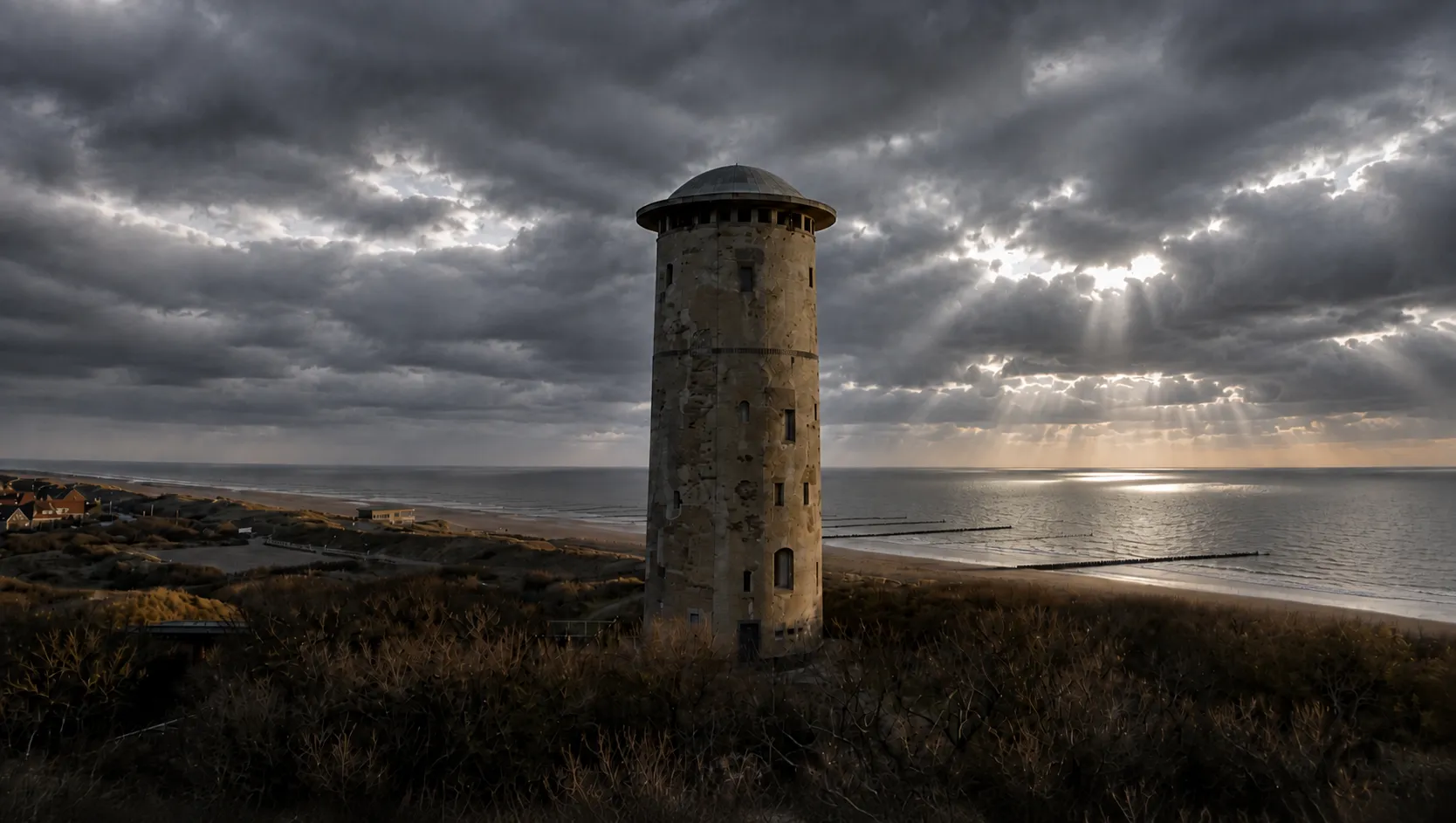
Domburg has no boulevard the way Vlissingen has one. What it does have is the Boulevard van Schagen: a narrow dune path with a stately name, winding along the top of the dunes, the village on one side and, over the crest, the sea. Along the way you pass Nehalennia's bench and look out over the paalhoofden, the rows of black poles that reach into the beach every few hundred metres, the same ones the painters of 1900 were already recording. At the eastern end rises the water tower, so close to the dunes that the beach sections below it are simply called "Watertoren".
Anyone who walks here in November, alone, the wind full against their coat, understands how this path found its way into my book.
Visiting Domburg
Practical notes, for anyone who wants to see the village for themselves: Domburg is a little over an hour's drive from Rotterdam. The beach ranks among the cleanest in the Netherlands, and the village itself is compact and largely car-free. The Toorop Pavilion and the Terra Maris museum in the Manteling woods near Oostkapelle put the history in context; for golfers, the Domburgsche Golf Club is a place of pilgrimage. And if you want to see the real Domburg, come out of season. October, November: when the holidaymakers have gone and the village belongs to itself again.
The Domburg of the book
In Shadows over Domburg, the village is more than a backdrop. It begins on the beach below the water tower, on a November morning, at a paalhoofd where the sea has left something behind. The Badhotel, the old golf course with its history, the dune paths out of season: these are the places where my protagonist discovers that the calm of a seaside resort can be deceptive, and that the lines between the Zeeland coast and the port of Rotterdam are shorter than they seem. How that port looks from the water, I wrote about in The Port of Rotterdam, seen from the water.